
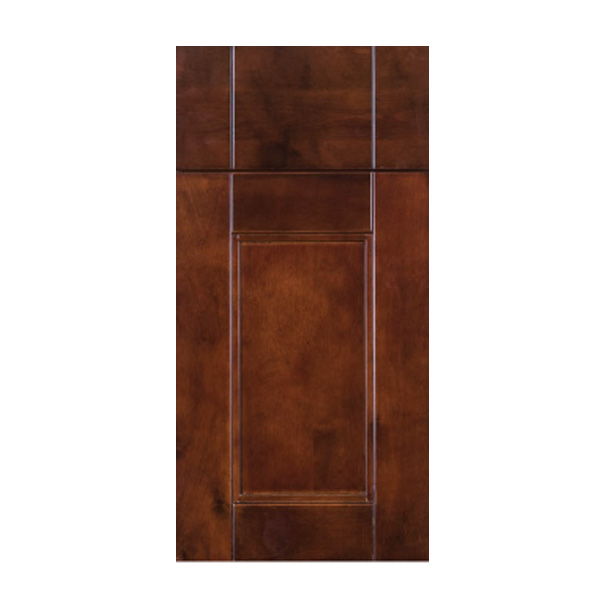

Wurzburg (Frameless) – Sample Door
$35.00
The Wurzburg (Frameless) – Sample Door from Selected Vendors combines a modern frameless construction with a classic stained raised panel design, offering a seamless, high-quality storage solution that enhances any kitchen or bathroom with its sophisticated appearance and durable, full-access design.
Order Wurzburg Frameless RTA Cabinets: Shop Now!
Show mapHide mapLocations to be confirmed
Product shipping locations
0 location records
Locations assigned to this product. Confirm stock, shipping origin and pickup availability before visiting.
Shared addresses are grouped under one pin. Positions marked approximate show the nearby area. Use the address links for directions.
Brand colors — 0 brands
Show warrantyHide warrantyCoverage & claims
Confirm warranty coverage for this specific product. Cabinet warranties may not apply to flooring, countertops, fixtures, samples or other accessories.
Manufacturer terms and exclusions apply. Keep your invoice, item numbers and photos. Shipping damage and return requests follow the separate claims process.
Confirm warranty coverage for this specific product. Cabinet warranties may not apply to flooring, countertops, fixtures, samples or other accessories.
Manufacturer terms and exclusions apply. Keep your invoice, item numbers and photos. Shipping damage and return requests follow the separate claims process.
Wurzburg Frameless Sample Door is a physical decision tool for evaluating the Wurzburg cabinet finish and front profile before committing to a larger order. The Sample Doors listing uses SKU SV-WFRTA-SD. Use it to compare color, undertone, sheen, edge treatment, profile depth, and scale under the actual lighting and beside the real materials planned for the room.
A Wurzburg Frameless Sample Door represents one visible front, not a complete cabinet. It cannot by itself confirm cabinet-box material, shelf construction, drawer design, hinges, glides, storage access, assembly method, included hardware, warranty coverage, inventory, or delivery timing. Those details belong to the exact full-cabinet SKU and current order information.
The strongest sample review is deliberate and repeatable. Move the door through the space, place it vertically at cabinet height, compare it with every major finish, photograph it under labeled conditions, and record observations before choosing a cabinet family. That process turns a small product into useful project evidence instead of treating one online image as a final color decision.
Why Use a Wurzburg Frameless Sample Door?
Wurzburg Frameless Sample Door helps answer finish questions that screens and small color chips cannot settle. Screens vary in brightness and color balance. Product photography varies with lighting and editing. A physical door lets the project team inspect the actual visible surface, profile, edge, and proportions from normal viewing distances.
- Confirm the visible color: See how the finish behaves in the project space rather than relying on a screen.
- Identify undertones: Compare possible warm, cool, red, brown, gray, or neutral shifts beside surrounding materials.
- Review the profile: Inspect the actual center, rails, stiles, edges, and shadow lines without relying on conflicting online wording.
- Judge sheen: Observe how the surface reflects window light, task light, and evening fixtures.
- Test scale: Evaluate the door and proposed decorative hardware at something closer to real cabinet scale than a paint chip.
- Build a material board: Place the sample directly beside counter, backsplash, grout, floor, paint, metal, and appliance finishes.
The LifeArt Cabinetry site currently lists a Wurzburg Series Sample Door among its sample-door offerings. Use that manufacturer reference for collection identity, while the active CabinetryStock product record and exact SKU control the purchase.
Check 1: View the Sample Under Actual Daylight
Daylight changes by window direction, season, weather, hour, landscaping, and nearby exterior surfaces. A door that appears balanced in bright midday light may look warmer near sunset or deeper on a cloudy day. Move the sample rather than judging it in one convenient location.
- Place it vertically near each planned cabinet run.
- Review it in morning, midday, and late-afternoon light.
- Stand at normal room entries as well as directly in front of the sample.
- Repeat the review with blinds or shades in the positions normally used.
- Photograph each condition with a label for location and time.
A phone photo is a record, not a replacement for direct inspection. Automatic exposure and white balance can alter the apparent finish. Use photographs to remember differences among conditions, then make the final judgment while looking at the physical sample.
Check 2: Test the Wurzburg Frameless Sample Door at Night
Wurzburg Frameless Sample Door should also be evaluated after daylight no longer dominates the room. Bulb color temperature, fixture placement, dimming, under-cabinet lighting, and reflected light can all change the finish. Test the lighting that will actually remain in the finished space.
- Ambient lighting: Review the sample under ceiling fixtures from normal standing and seated positions.
- Task lighting: Place it near the counter and sink zones where focused light may create stronger highlights.
- Decorative lighting: Check pendants or sconces that may cast warm or directional light onto the cabinet fronts.
- Dimming: Compare normal and low settings because reduced output can shift the room’s color balance.
- Reflections: Watch for nearby paint, flooring, or counters that bounce color onto the surface.
If planned fixtures or bulbs are not installed, test representative sources before approving the palette. Do not assume that a showroom, warehouse, or temporary construction light predicts the finished room.
Check 3: Identify Undertones Beside Neutral Materials
Words such as brown, cherry, walnut, warm, or neutral are broad descriptions. The physical sample should determine how the finish relates to the project. Place clean white, warm white, gray, beige, and black references nearby to make subtle shifts easier to see.
Then compare the door with the actual wall paint and flooring. A warm wall may amplify red or golden notes. A cool gray may make the same cabinet appear warmer by contrast. Dark materials can deepen the perceived cabinet color, while very light materials can make it feel stronger.
- Use dried paint samples, not wet paint or a digital swatch.
- Compare full pieces of flooring rather than a tiny printed image.
- Review the sample against both the field color and prominent veining in a countertop.
- Include grout because repeated joints can affect the backsplash’s overall temperature.
- Keep one clearly neutral reference in the group to make relative shifts easier to describe.
Write observations in plain language: “warmer beside the floor,” “redder under the pendant,” or “more neutral near the window.” These notes are more useful later than an unsupported claim that the finish is universally warm or cool.
Check 4: Inspect the Physical Profile and Edge Geometry
Public descriptions of Wurzburg have not always used profile terms consistently. The sample lets the buyer inspect the actual face instead of depending on a label. View it straight on and from both sides. Note the center treatment, frame proportions, edge shape, transitions, and the shadows created by raking light.
Profile depth influences how traditional or streamlined the door feels, but that effect also depends on the complete elevation. A single door can show the geometry; it cannot show every reveal, drawer-front transition, panel, filler, or appliance edge in a full layout. Use measured elevations and current cabinet drawings for those decisions.
- View the sample from typical standing distance.
- Inspect the corners and transitions under strong side light.
- Compare the frame width with proposed decorative hardware.
- Look at the edge from the direction visible near an appliance or open walkway.
- Confirm the current production specification if the sample and online imagery appear different.
Check 5: Compare Sheen, Texture, and Surface Movement
Wurzburg Cabinet Door Sample can reveal how the visible surface responds to light. Move a light source across the face and watch where highlights become noticeable. A finish may appear quiet from straight on but show more reflection from an angle. Texture and grain-like movement can also look different at arm’s length than across the room.
Do not turn a visual inspection into a performance guarantee. The sample does not establish scratch resistance, water resistance, chemical resistance, impact performance, or long-term color stability. Avoid destructive testing unless the seller has specifically authorized it and explains how the result relates to production cabinetry.
For design purposes, record:
- how visible the sheen is from room entries;
- whether texture is apparent from normal viewing distance;
- how directional light changes the surface;
- whether fingerprints or dust are conspicuous during ordinary handling;
- how the surface relates to polished, honed, matte, or textured neighboring materials.
Check 6: Build a Complete Material Comparison
Place the Wurzburg Frameless Sample Door beside the actual project materials at the same time. Pairwise comparisons can miss conflicts that appear only when the entire palette is assembled.
- Countertop: Include enough material to show background color and important veining.
- Backsplash: Review tile, grout, pattern scale, and planned orientation together.
- Flooring: Compare color, grain direction, pattern repeat, and reflectivity.
- Paint: Use a large dried sample on the intended wall plane.
- Appliances: Include stainless-colored, black, white, or panel-ready surfaces that will border the cabinetry.
- Decorative metal: Compare proposed pulls, knobs, faucets, lighting, and other repeated finishes.
- Adjacent rooms: Add a representative finish from connected spaces when the cabinetry is visible across an open plan.
Decide which material leads the palette. If the counter has strong movement, keep the backsplash or floor quieter. If the cabinetry is intended as the dominant warm element, avoid several near-matching wood patterns that create an accidental rather than deliberate relationship.
Check 7: Mock Up Hardware Without Damaging the Sample
Decorative hardware changes the apparent scale and style of a cabinet front. Place actual pulls or knobs on the Wurzburg Frameless Sample Door using removable, non-marking methods that are safe for the finish. Do not drill the sample unless you own it, have permission, and are certain modification will not affect any applicable return process.
Compare several lengths and shapes. A small knob can preserve more visible surface. A longer pull can create a stronger horizontal or vertical line. Backplates add contrast and visual weight. Check finger clearance and appearance, but use the exact cabinet and hardware drawings to determine final placement and operation.
- Center the hardware using a removable paper template.
- Review the door vertically and at the height planned for the room.
- Compare warm, cool, and dark metals against the actual finish.
- Photograph each option from the same distance.
- Record the manufacturer, finish name, center-to-center dimension, and model number.
A sample-door mockup cannot confirm clearances between neighboring doors, drawers, walls, or appliances. Those checks belong on the complete elevation with exact dimensions.
Document a Repeatable Sample Review
Wurzburg Frameless Sample Door is most useful when the review can be understood later by every decision-maker. Label photographs and notes instead of relying on memory. Keep the comparison conditions consistent when evaluating multiple cabinet candidates.
- Assign the sample its full product name and SKU SV-WFRTA-SD.
- Photograph the front, edges, and profile under labeled lighting conditions.
- Record the paint, counter, tile, grout, floor, and hardware product names.
- Note which materials were approved, rejected, or still uncertain.
- Repeat the same viewing sequence for competing sample doors.
- Retain the notes with the measured plan, elevations, quote, and final order.
If more than one person approves the project, view the physical group together. Sending separate phone photographs can introduce different exposure, screen, and room-light conditions. A shared review reduces the chance that people are approving different visual impressions.
What This Wurzburg Cabinet Door Sample Can Confirm
Wurzburg Cabinet Door Sample can support decisions about the visible sample in hand:
- its apparent color and undertones under the tested lighting;
- its visible profile, frame proportions, edges, texture, and sheen;
- its relationship to actual project finishes;
- the visual scale of proposed decorative hardware;
- whether the collection remains a strong candidate for the design direction.
It cannot independently confirm the construction or performance of complete cabinets. Do not use it as proof of box material, shelf thickness, drawer construction, glide type, hinge type, soft-close operation, full-access storage, assembly method, weight capacity, certification, warranty, inventory, lead time, or delivery condition. Verify those points from current exact-cabinet information before ordering.
Move from Sample Approval to Exact Cabinet Planning
After the Wurzburg Frameless Sample Door passes the visual review, connect the decision to a measured cabinet plan. Browse the Wurzburg Frameless RTA Cabinets collection and record the exact cabinet SKUs, dimensions, configurations, quantities, included components, and current fulfillment details.
Confirm appliance clearances, door and drawer operation, exposed ends, fillers, panels, trim, corners, ceiling conditions, and installation requirements. A finish approval is only one part of a cabinet order. The measured plan and current product specifications must resolve the functional details.
Frequently Asked Questions
What is the Wurzburg Frameless Sample Door for?
It is a physical finish-and-profile evaluation tool. Use it to compare color, undertone, sheen, texture, edge treatment, profile geometry, decorative hardware, and surrounding materials before selecting full cabinets.
Does the sample prove the complete cabinet is solid wood?
No. A sample should not be used to generalize materials across cabinet boxes, shelves, drawers, panels, fillers, or accessories. Confirm the material specification for every exact full-cabinet SKU.
Does this sample include cabinet hardware or soft-close parts?
The product is a sample door. Do not assume it includes or demonstrates hinges, drawer glides, pulls, knobs, shelves, or other full-cabinet components. Review the current product record and exact cabinet specifications for included items.
Can the sample verify frameless storage access?
No. A single door can show its visible face and profile, but it cannot demonstrate cabinet-box access, shelf capacity, drawer operation, or the reveals of a complete layout. Use exact cabinet drawings and measurements for functional planning.
Why should the sample be reviewed at different times?
Daylight direction and artificial lighting can change the finish’s apparent color, warmth, sheen, and contrast. Morning, afternoon, and evening reviews provide a more realistic range than one observation.
How should hardware be tested on the sample?
Use removable, non-marking mockup methods when safe for the finish. Avoid drilling unless modification is authorized. Final placement and clearance should be based on exact cabinet and hardware dimensions.
What should be placed beside the sample?
Compare the actual countertop, backsplash, grout, flooring, dried wall paint, appliance finish, and decorative metal. Add materials from visible adjoining rooms when the plan is open.
What should happen after the finish is approved?
Build or verify the measured floor plan and elevations, select exact cabinet SKUs, and confirm dimensions, configuration, materials, included components, compatibility, fulfillment format, availability, timing, receiving, and installation requirements.
Use the Wurzburg Frameless Sample Door as evidence, not as a miniature cabinet. A disciplined review of real light, undertones, profile, sheen, material relationships, and hardware scale can make the finish decision more reliable while exact product records handle the construction and ordering facts.
| Weight | 5 lbs |
|---|---|
| Dimensions | 15 × 11 × 1 in |
Related products

Avalon – Sample Door
$35.00
Coffee Shaker – Sample Door
$35.00
Perla – Sample Door
$35.00
Sage Green – Sample Door
$35.00

%20–%20Sample%20Door&url=https://cabinetrystock.com/product/wurzburg-frameless-sample-door/&media=https://cabinetrystock.com/wp-content/uploads/2026/03/Wuzburgh.jpg)

%20–%20Sample%20Door&url=https://cabinetrystock.com/product/aspen-white-sample-door/&media=https://cabinetrystock.com/wp-content/uploads/2026/03/Aspen-White.jpg)


